Working on what you make with AI
Guides and ideas on sharing, editing, and collaborating on AI-built pages, whatever tool made them.
Start here: the file your AI gave youView all →
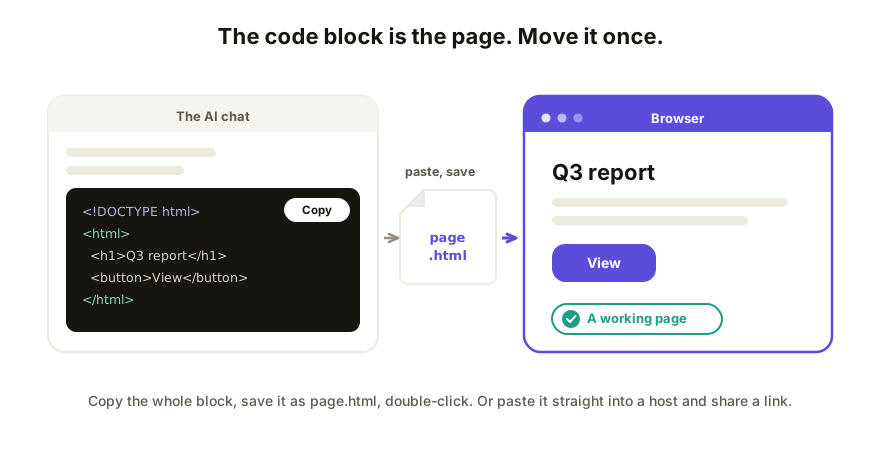
The AI gave you code, not a file. Here's what to do
Got a wall of HTML code instead of a download? Here's how to turn an AI's code block into a real page you can open and share, in about two minutes.
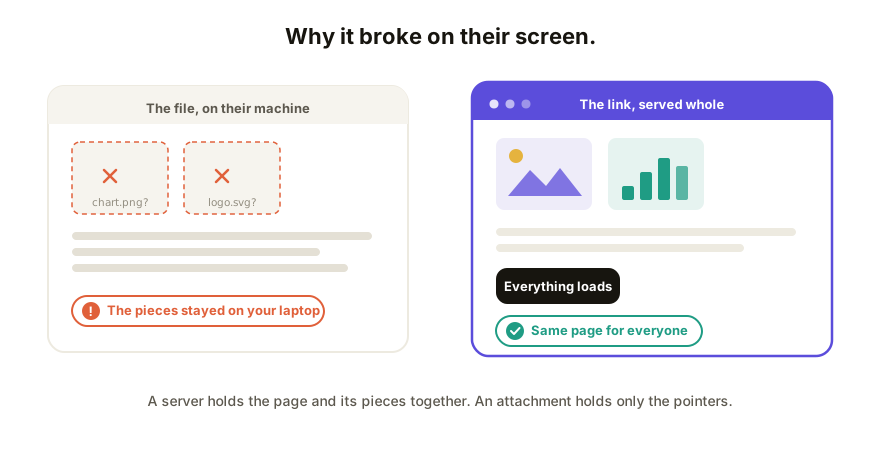
Why your AI's HTML file looks broken when you send it
It looked perfect on your screen, then arrived with missing images and a scrambled layout. Here's why HTML files break in transit and the two fixes that actually work.
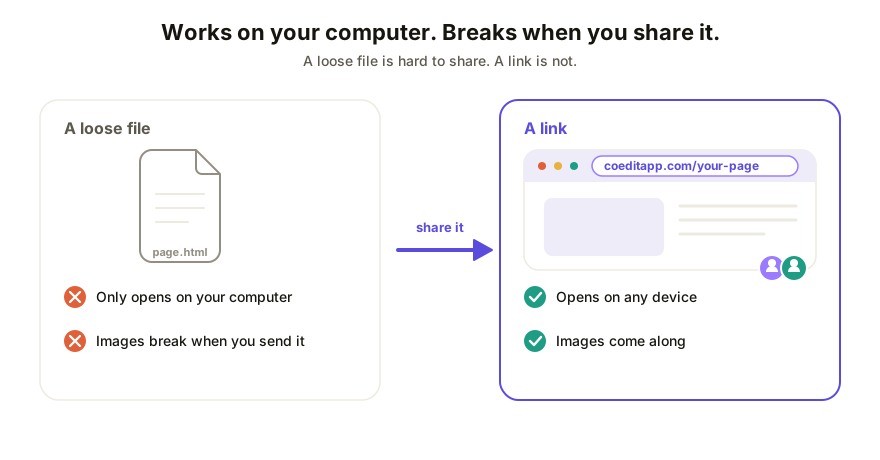
Claude gave you an HTML file. Here's what to do with it
Claude handed you a file ending in .html and you're not sure what it is or how to use it. Here's how to open it, view it, and share it with someone, in plain terms.
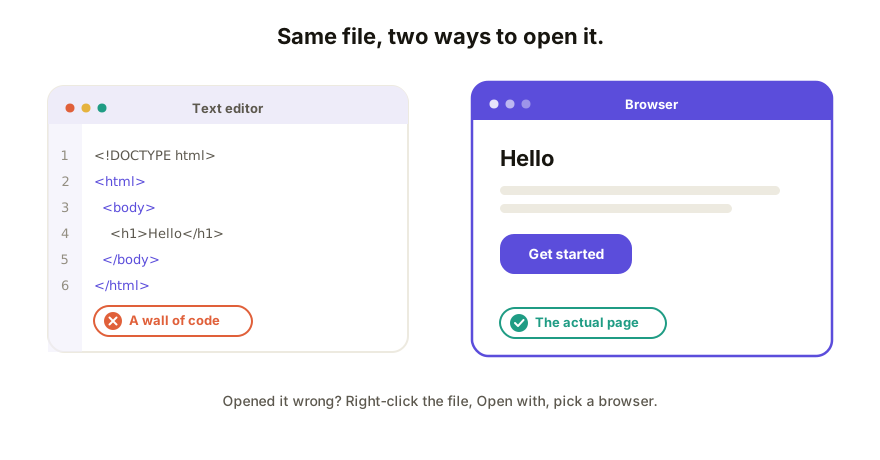
How to open an HTML file from ChatGPT or Claude
Step-by-step ways to open an HTML file an AI tool gave you, on Mac, Windows, and phone, plus quick fixes for when it opens as code or won't open at all.
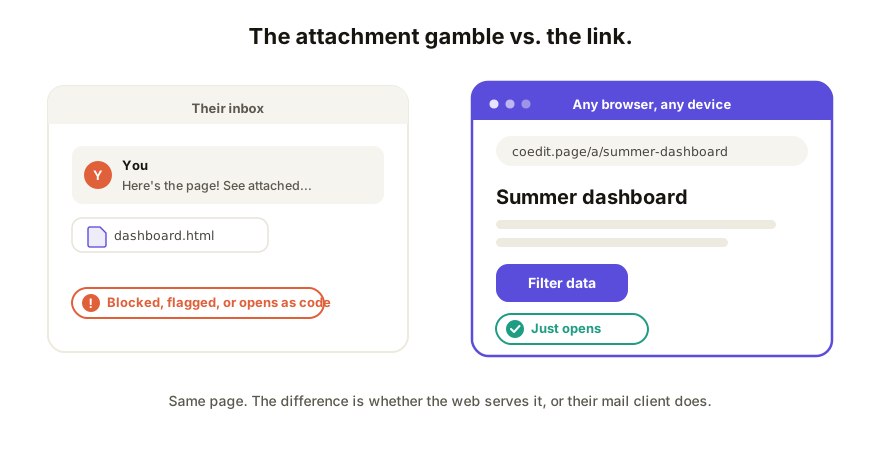
How to share an HTML file so anyone can open it
Emailing an HTML file rarely goes well. Here are three ways to share one so it opens for anyone, on any device: attach it, host it, or turn it into a live link.
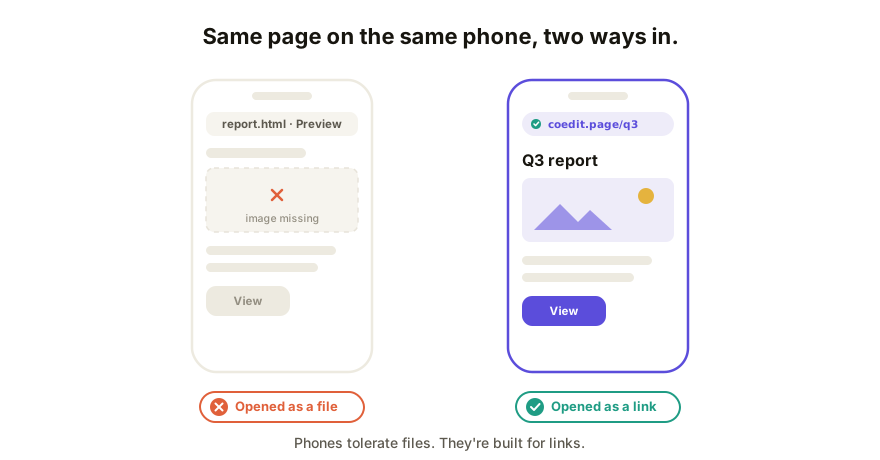
How to open an HTML file on an iPhone or Android
Your phone can open an HTML file, but the option hides. Where it is on iPhone and Android, why the page often looks wrong, and the fix that works everywhere.
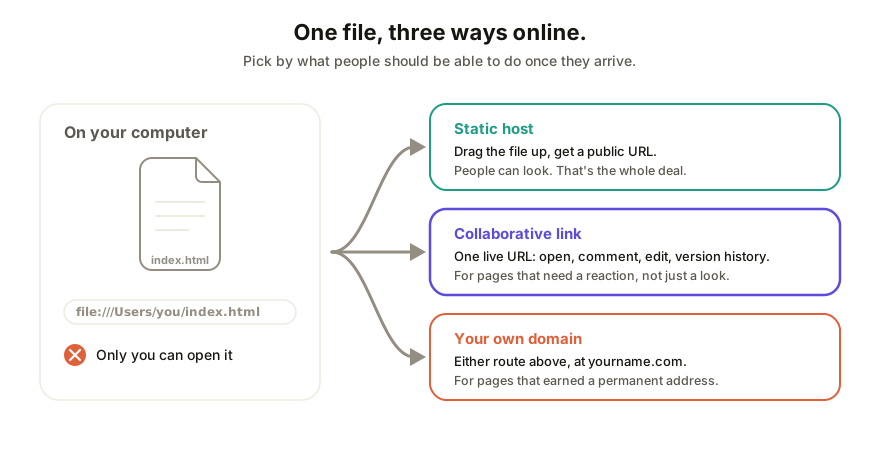
How to put an HTML file online (and get a link)
An HTML file on your laptop isn't a website yet. Three free ways to put it online: a drag-and-drop host, a collaborative link, or your own domain.
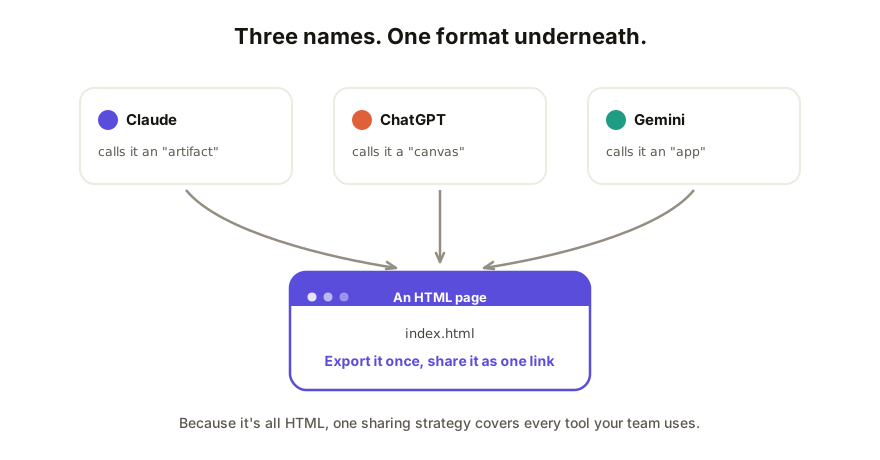
Claude artifacts, ChatGPT canvas, Gemini apps: how to share each
Every AI tool names its output differently: artifacts, canvas, apps. Here's what each one actually is, how its built-in sharing works, and the one path that works for all of them.
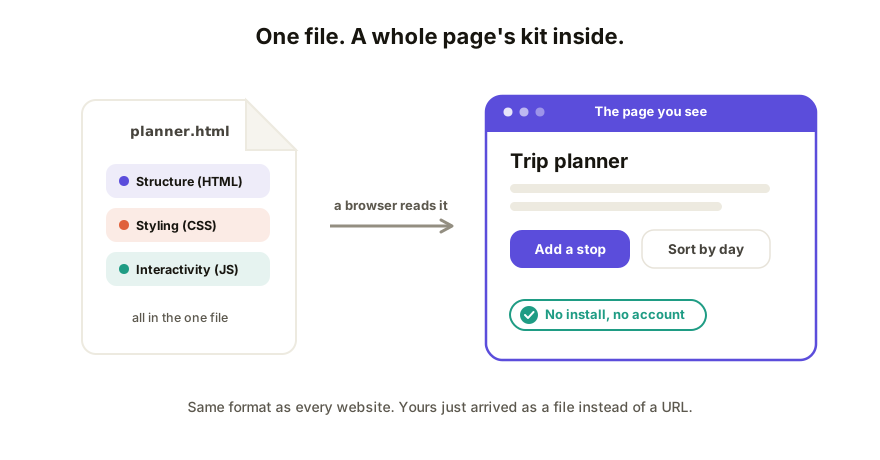
What is an HTML file, and why did the AI give me one?
An HTML file is a web page saved as a single file, the same format every website uses. Here's what's inside it, why AI tools hand you one, and what to do with yours.
How-to guidesView all →
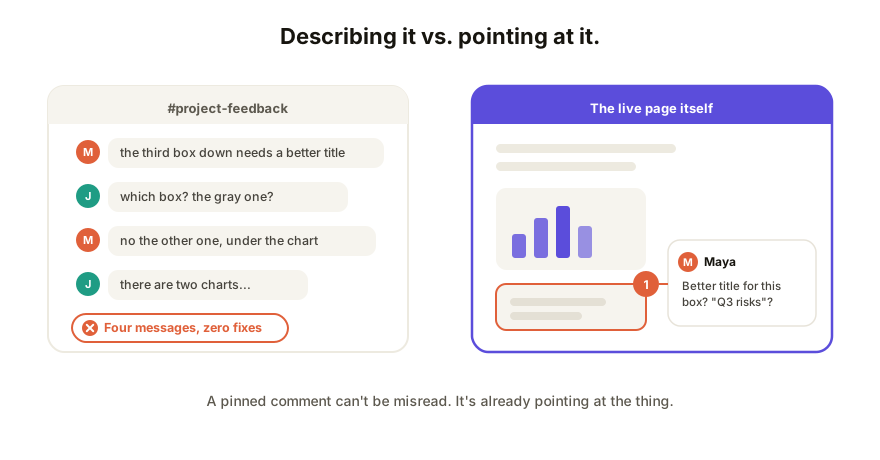
How to add comments to a live web app
Four ways to collect feedback on a live web page or app: chat threads, annotated screenshots, review tools, and comments pinned to the page itself. What works and when.
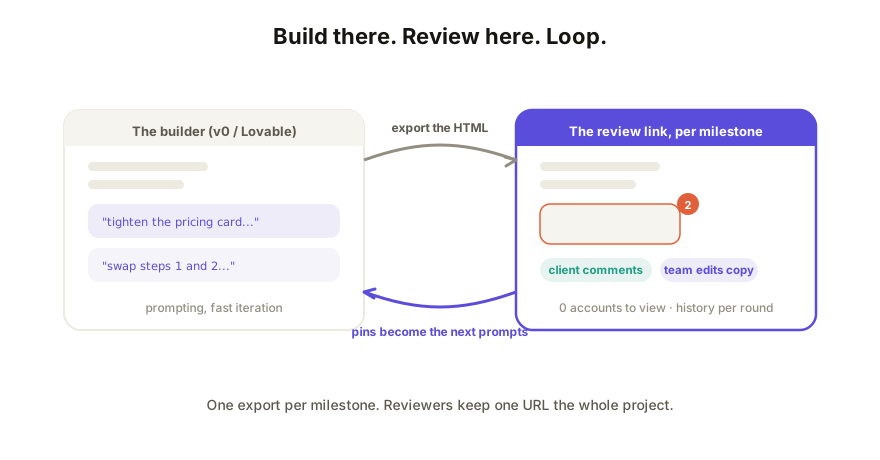
How to collaborate on a v0 or Lovable project as a team
v0 and Lovable generate real apps fast, but team review still means links and Slack threads. How to run feedback, edits, and versions on a builder project properly.
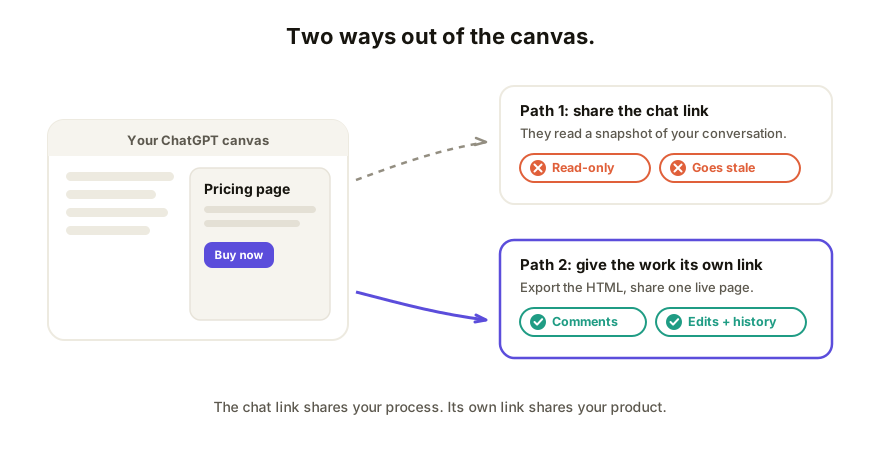
How to share a ChatGPT canvas with someone
Two ways to share a ChatGPT canvas: share the chat link, or take the work out of ChatGPT and share it as its own page. What each one can and can't do.
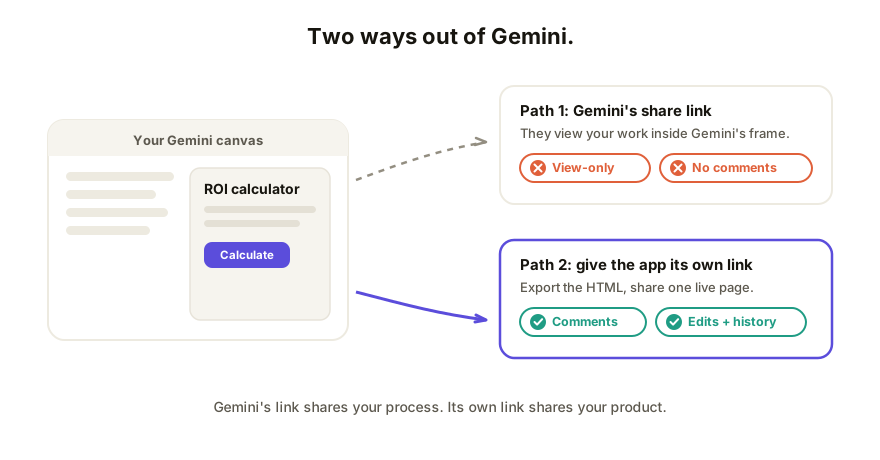
How to share a Gemini app with someone
Two ways to share what you built in Gemini: Gemini's own share link (now reaching Workspace accounts and Drive/Classroom too), or giving the app its own live link. What each one is good for.
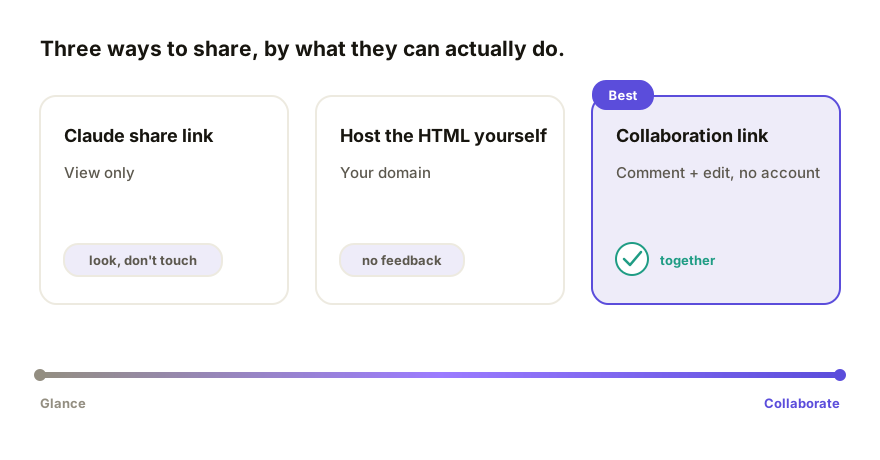
How to share an app you built with Claude
Three ways to share a Claude artifact or app with someone (Claude's own share link, hosting the HTML yourself, or a collaboration link) and the trade-offs of each.
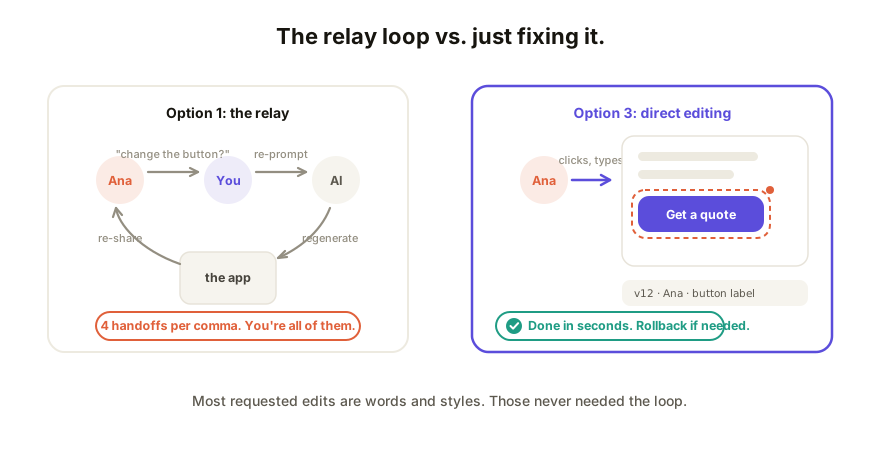
How to let non-coders edit an AI-generated app
Three ways to let someone without coding skills change an AI-built app: relay edits through you, have them re-prompt the AI, or give them direct no-code editing on the live page.
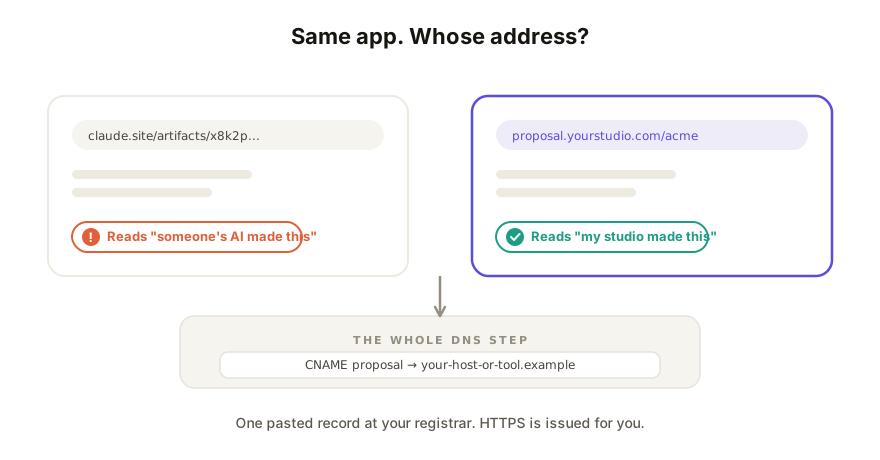
How to put an AI-built app on your own domain
Get your AI-built app off the vendor's URL and onto yours: what a custom domain requires, the DNS step in plain terms, and the self-host vs managed trade-off.
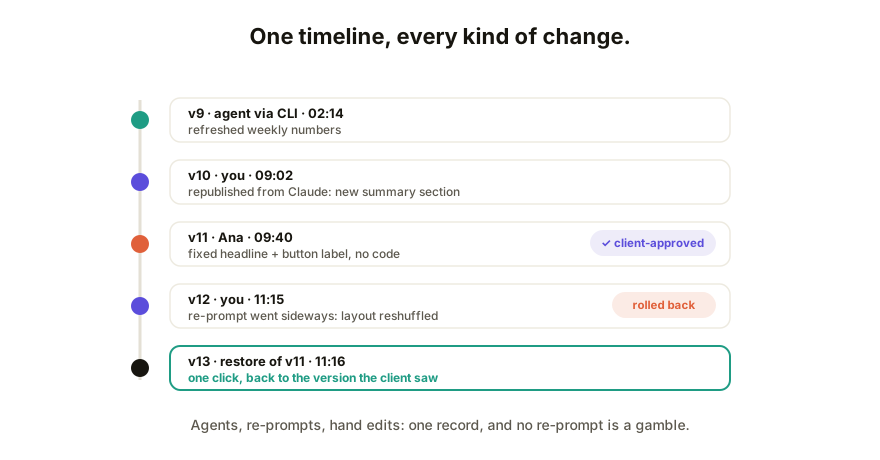
How to keep version history for AI-generated apps
AI apps change fast: re-prompts, hand edits, agent pushes. Four ways to keep version history, from filename copies to git to built-in history on the shared link.
Working with clientsView all →
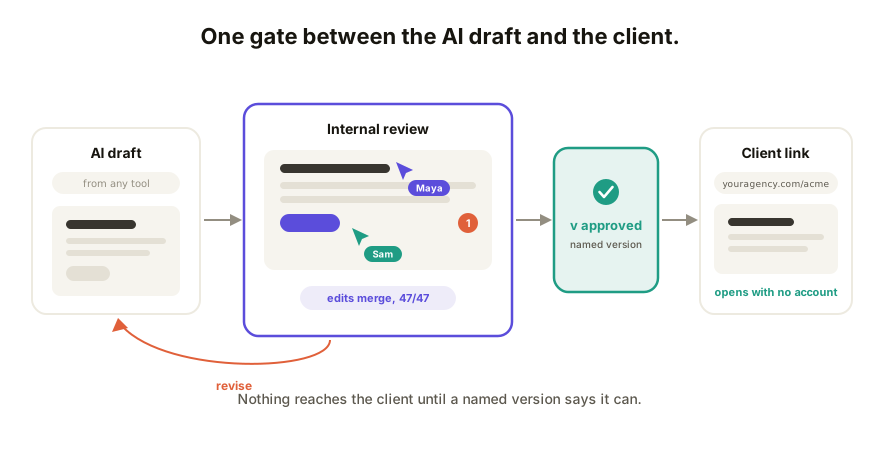
How agencies review AI-built work before the client sees it
AI collapsed production time, so review is the new bottleneck. A workflow where the team marks up the live page and a named version gates what the client sees.
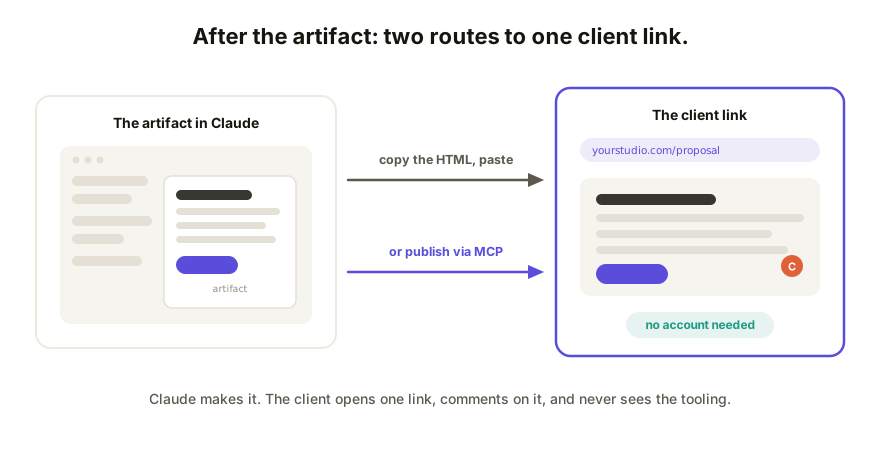
Claude for client work: what to do after the artifact
Claude turns a brief into a working page, then delivery gets awkward. The client-ready workflow: get the HTML out, publish one live link, iterate in place.
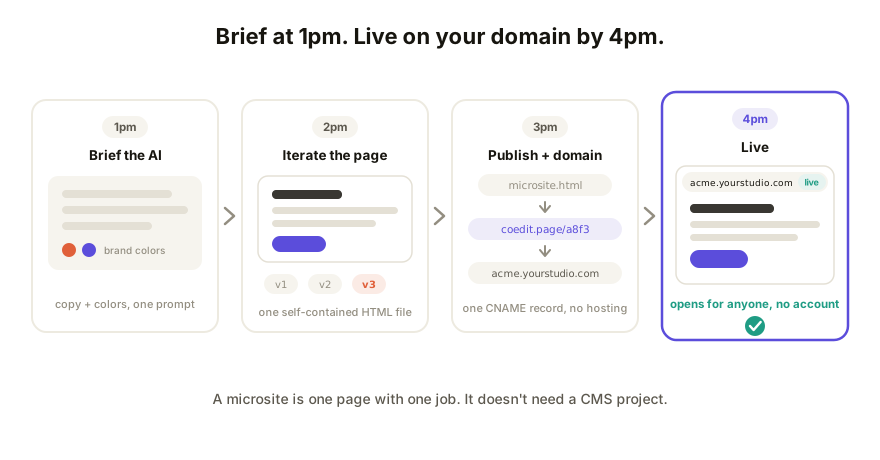
Put a client microsite on your own domain in an afternoon
A client campaign page doesn't need a CMS. Brief your AI tool, publish the single HTML file to a live link, and wire your own domain, all in one afternoon.
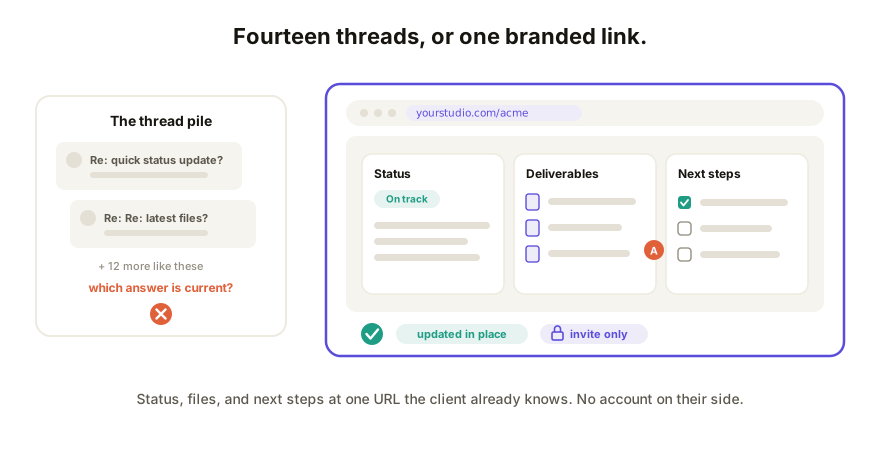
How to make a client portal without writing code
Portal SaaS charges per client and Notion reads as internal docs. How to brief an AI tool for a branded client portal and publish it to one live link.
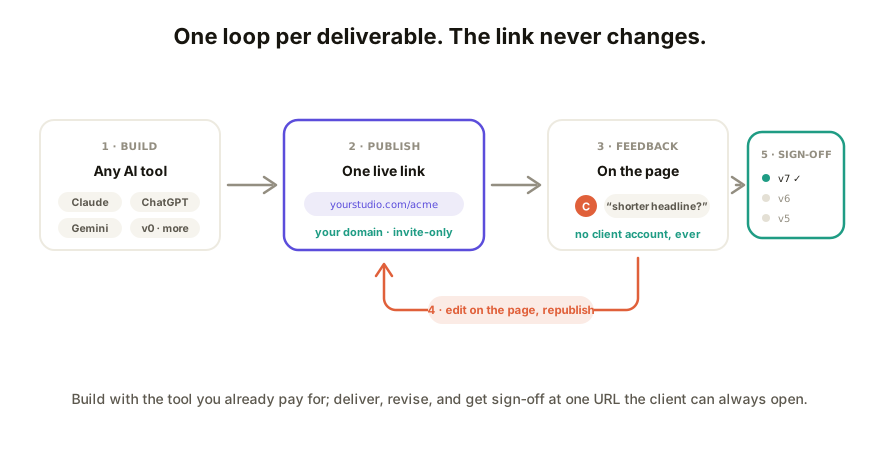
The freelancer's guide to AI-built client deliverables
The end-to-end workflow for freelancers and small agencies: build proposals, reports, and portals with any AI tool, deliver them as branded live links, and run feedback and sign-off on the page.
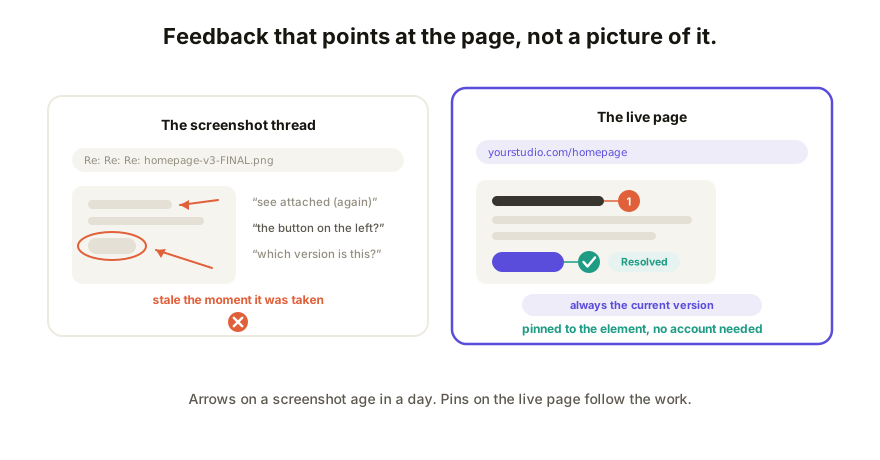
How to get client feedback on a live page (not a screenshot thread)
Annotated screenshots go stale and email prose points at nothing. How to collect client feedback as comments pinned to elements on the live, current page.
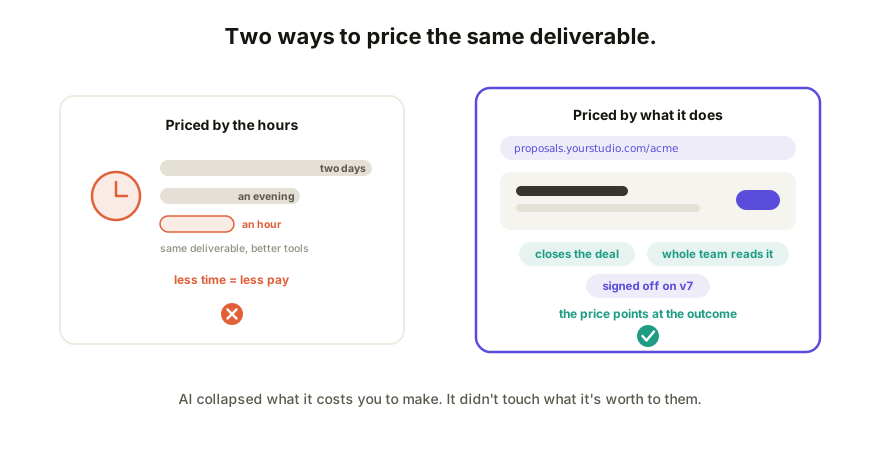
How to charge for AI-built deliverables (and look worth it)
Price the deliverable's value to the client, not the hours AI saved you. Value framing, the delivery signals that justify the invoice, and fixed-price packages.
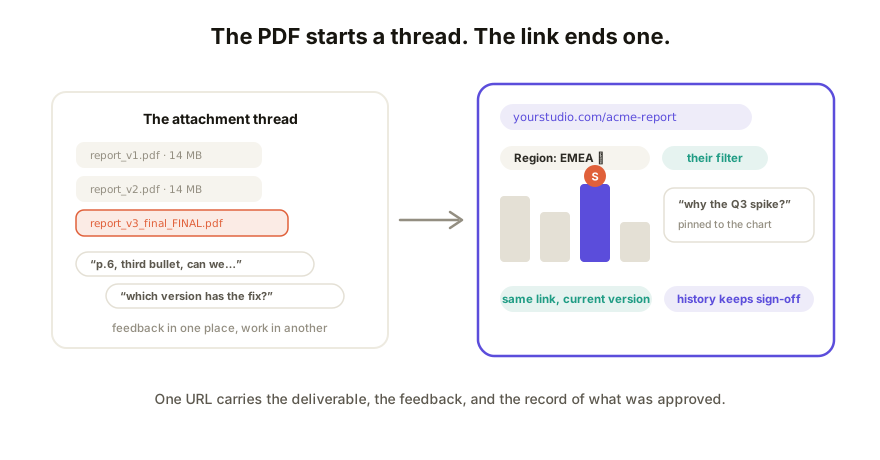
Send clients an interactive deliverable instead of a PDF
Proposals, reports, and calculators your client can operate answer the questions a PDF leaves for the follow-up call. What an interactive deliverable is, when it beats the PDF, and how to send one properly.
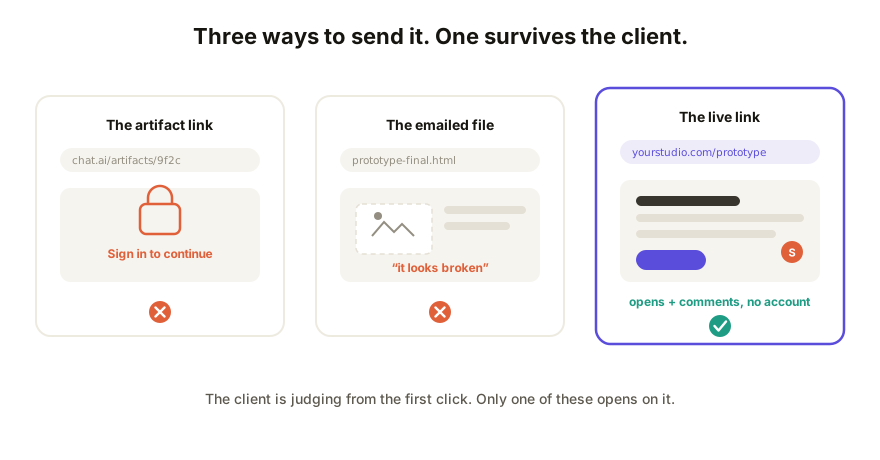
How to share an AI prototype with a client (who won't make an account)
Artifact links hit sign-in walls, HTML files break in email, and screenshots flatten the work. How to send a client an AI-built prototype they can open in one click and respond to in place.
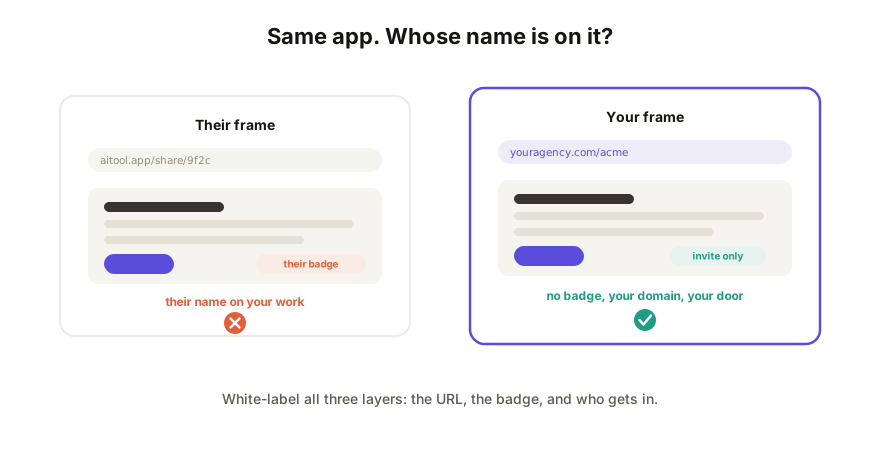
How to white-label an AI-built app for a client
White-labeling an AI-built app means your domain on the URL, no vendor badge on the frame, and access you control. Here's how to deliver all three.
Compare your optionsView all →
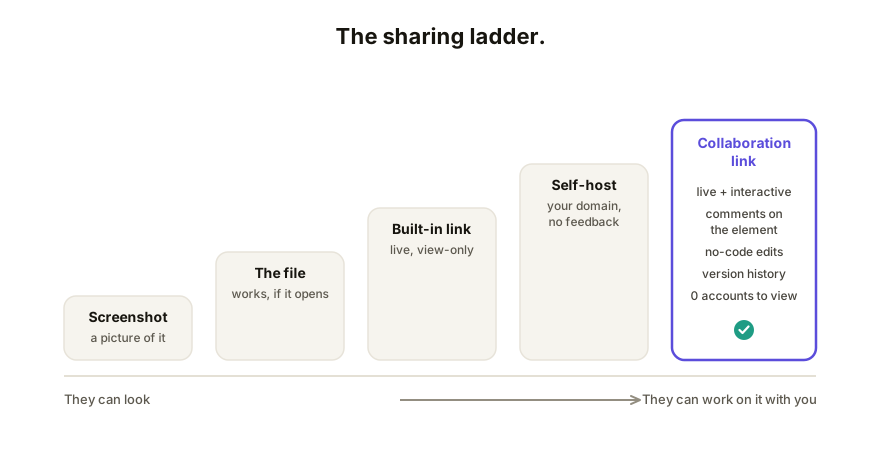
The best ways to share AI-generated apps (2026)
Five ways to share an app your AI built, compared honestly: screenshots, sending the file, built-in share links, self-hosting, and collaboration links. Which fits when.
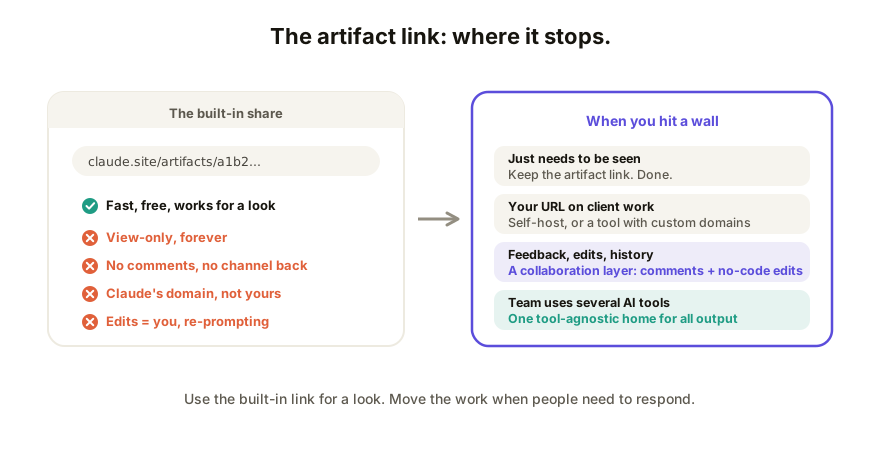
Sharing a Claude artifact link: limits and alternatives
Claude's artifact links are view-only, live on Claude's domain, and collect no feedback. Here's exactly where the built-in sharing stops and what to use when you hit each wall.
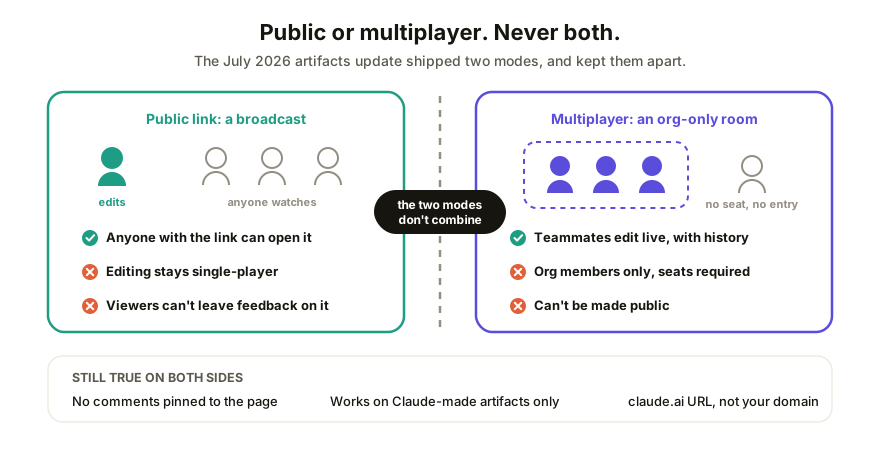
Claude Artifacts now do public links and multiplayer editing. Read the fine print.
In July 2026 Claude added public artifact links and real-time multiplayer editing. Both are real, and they were kept apart on purpose. Here's the exact line, and what still needs a layer on top.
Claude Code Artifacts: sharing limits and what to do instead
Claude Code Artifacts turn a coding session into a live shareable page, but the link only opens for people signed into your Anthropic org. Here's the wall and the fix.
Codex Sites vs Coedit: sharing an AI-built app outside your company
OpenAI's Codex Sites builds and hosts an app from a prompt, but every viewer must be in your ChatGPT workspace. Here's what it does well and where it can't help.
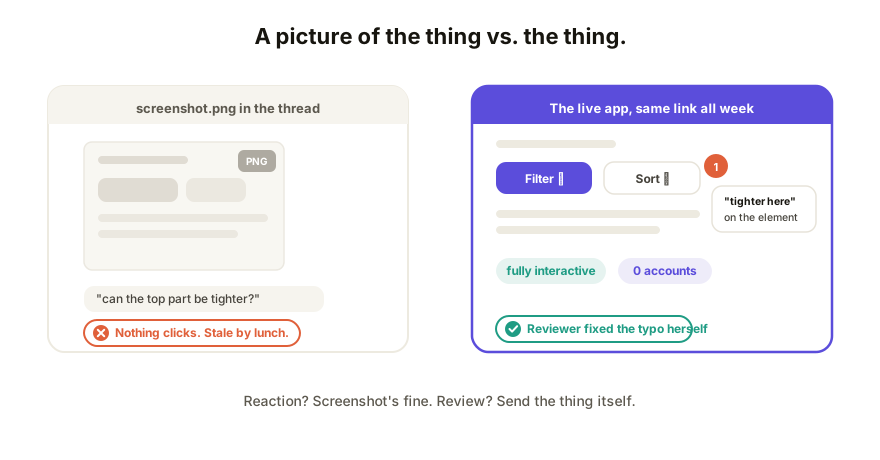
Coedit vs sending a screenshot of your AI app
The screenshot is the real competitor: instant, universal, and it throws away everything interactive. An honest comparison of when a picture is enough and when it costs you.
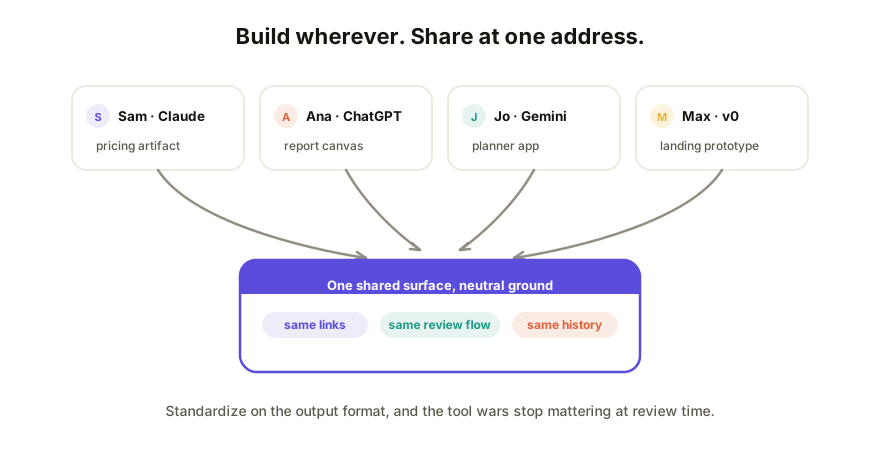
How to collaborate on AI apps across Claude, ChatGPT, Gemini
Your team builds with different AI tools, and each one shares differently. The fix: standardize on the output format, not the generator, and review everything in one place.
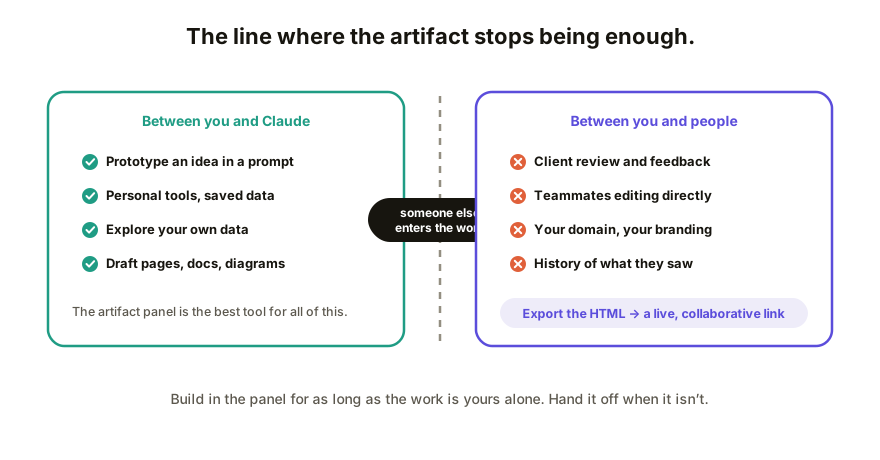
When to use Claude Artifacts (and when not to)
Claude Artifacts shine while the work is between you and Claude: prototypes, personal tools, exploring data. Here's exactly where they stop, and what to use past that line.
Concepts, definedView all →
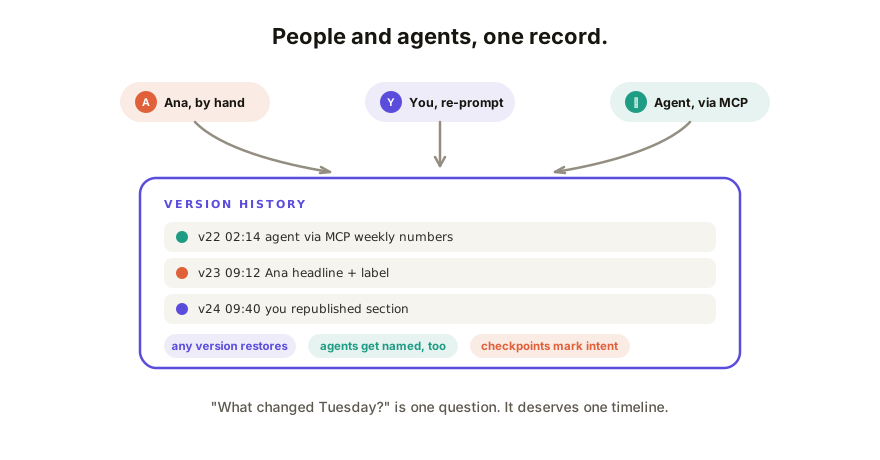
Human + agent version history, explained
When people and AI agents edit the same artifact, the history must record both on one timeline: who or what changed it, when, and how to roll back. Here's the model.
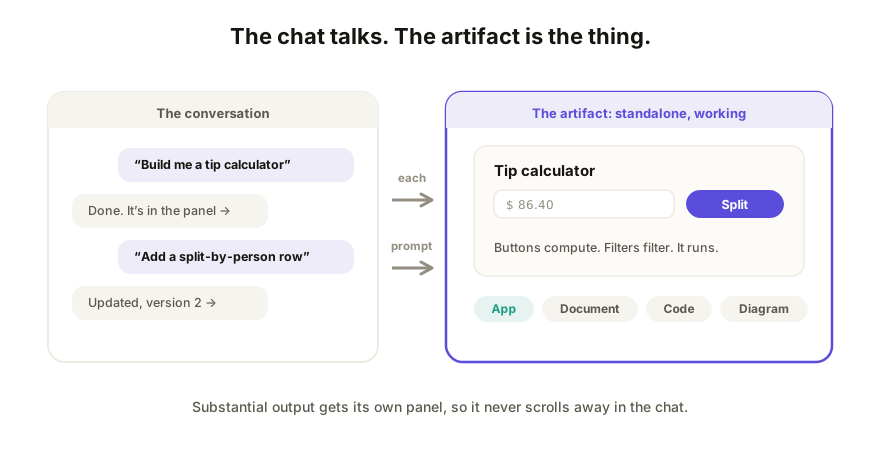
What is a Claude artifact?
A Claude artifact is standalone content Claude builds in a panel beside your chat: an app, document, or diagram you can iterate on, publish, and share. A definition, with edges.
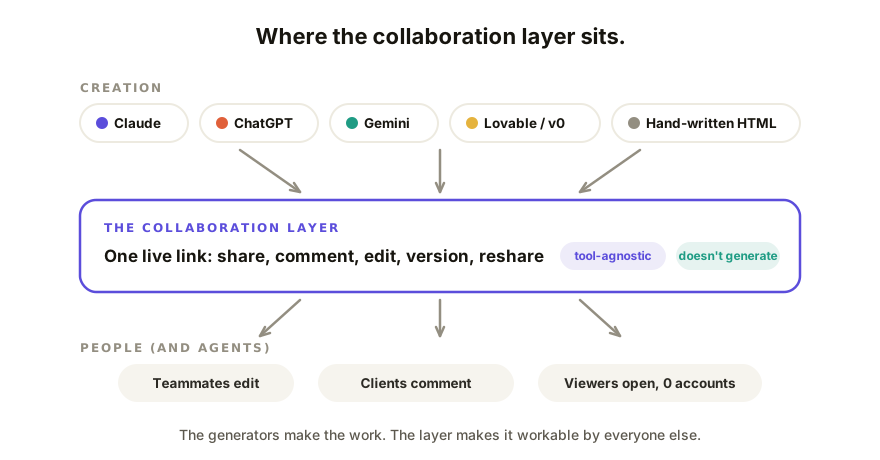
What is a collaboration layer?
A collaboration layer is software that sits on top of the tools that create work and adds sharing, feedback, editing, and version history for everyone who needs to work on the output together.
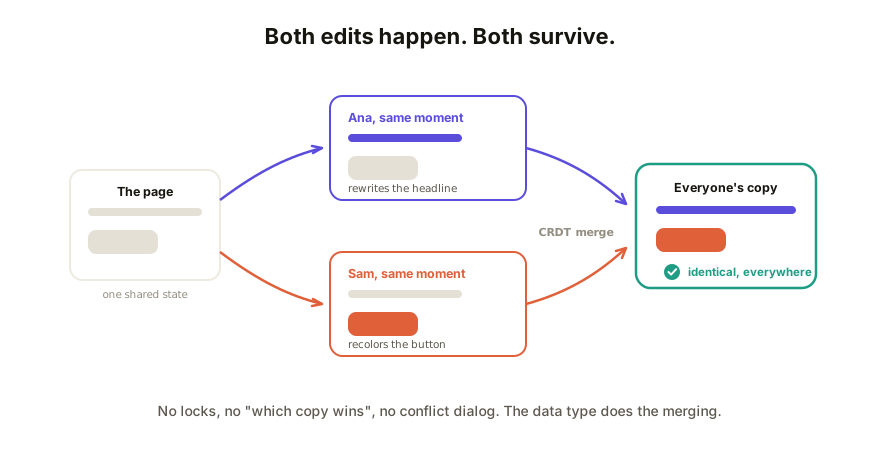
What is a CRDT, and why it matters for collaborative apps
A CRDT is a data structure that lets several people edit the same thing at once and always end up with the same result, no server referee needed. The plain-English version.
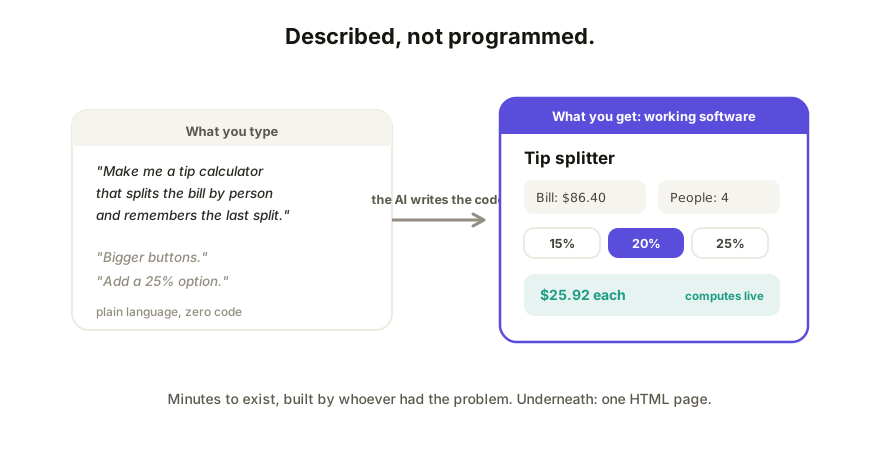
What is an AI-built app?
An AI-built app is a small working piece of software (a calculator, dashboard, or tool) created by describing it to an AI instead of programming it. A definition, with edges.
Use casesView all →
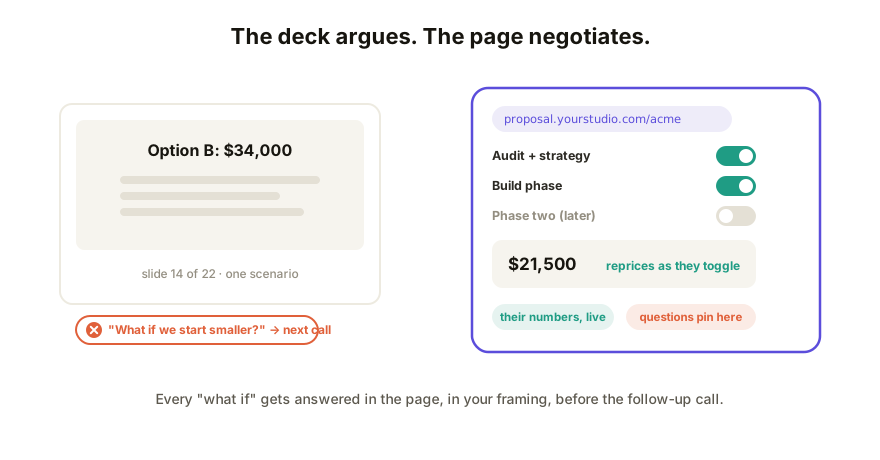
Send clients an interactive proposal, not a slide deck
A proposal your client can adjust (scope toggles, live pricing, their numbers) closes questions a PDF deck leaves open. How to build one with AI and send it properly.
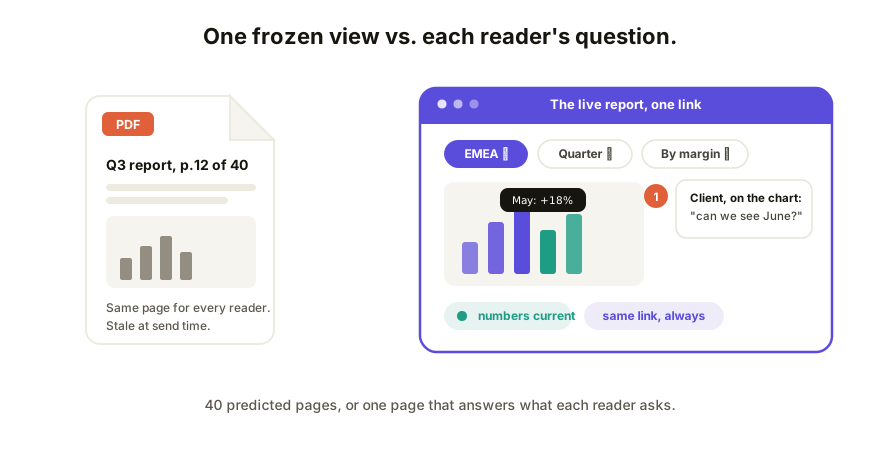
Share an interactive report instead of a PDF
AI tools can turn your data into a report people can filter, sort, and explore. Here's when an interactive report beats a PDF, when it doesn't, and how to share one properly.
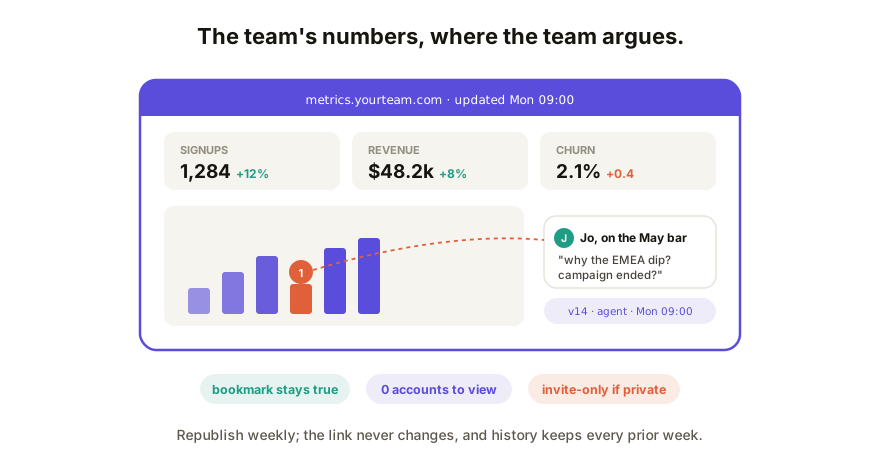
Build team dashboards with AI, and collaborate on them
AI turns a data paste into a working dashboard in minutes. The team part is where it falls down: one live link with comments, edits, and history fixes the last mile.
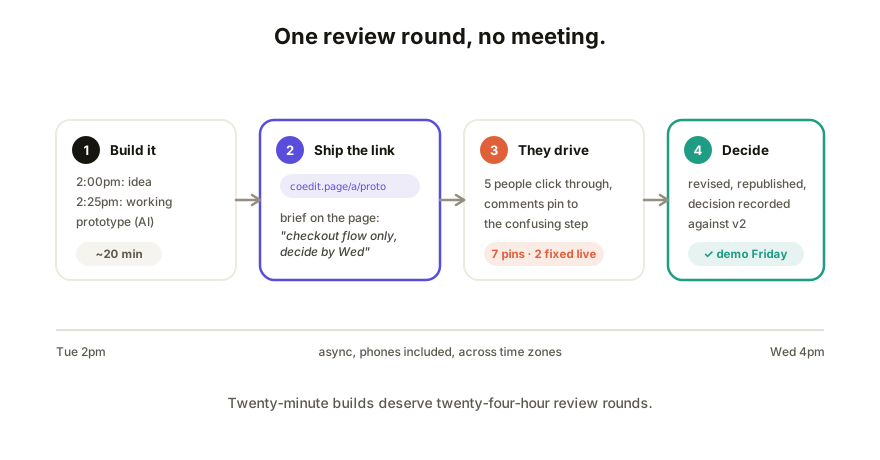
Turn an AI prototype into something your team can review
The prototype took twenty minutes; getting real feedback on it takes a week of screenshots and threads. How to run a proper review round on an AI-built prototype.
Essays: the shiftView all →
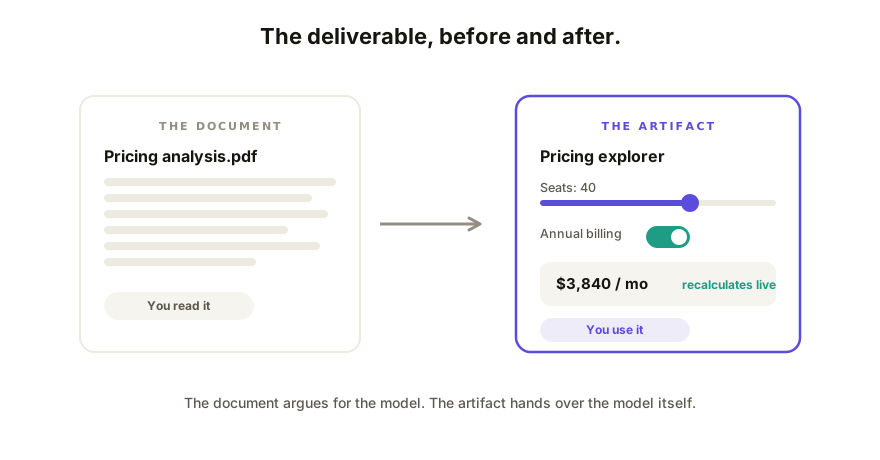
Artifacts, not documents: the new unit of knowledge work
For thirty years the deliverable was a document: a file you read. AI made the deliverable an artifact: a small working thing you use. That swap changes how teams work.
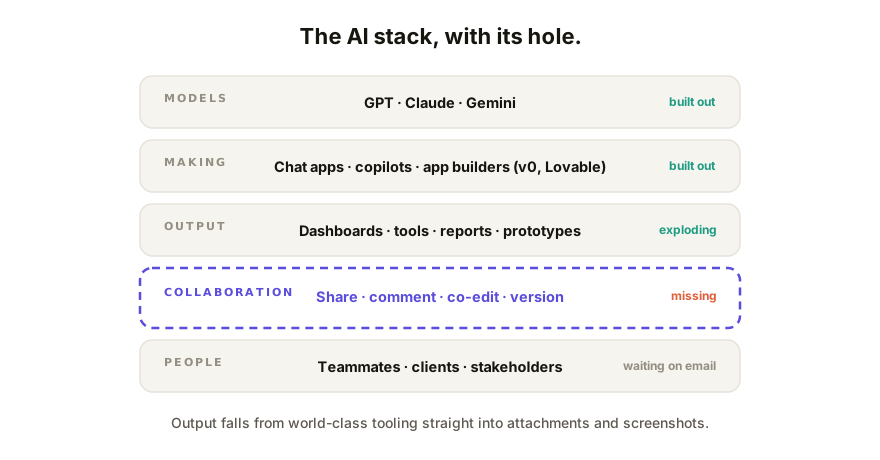
The collaboration layer: the missing half of the AI stack
The AI stack got very good at making things and stayed bad at what happens next: sharing, feedback, editing, versions. Mapping the gap between generation and collaboration.
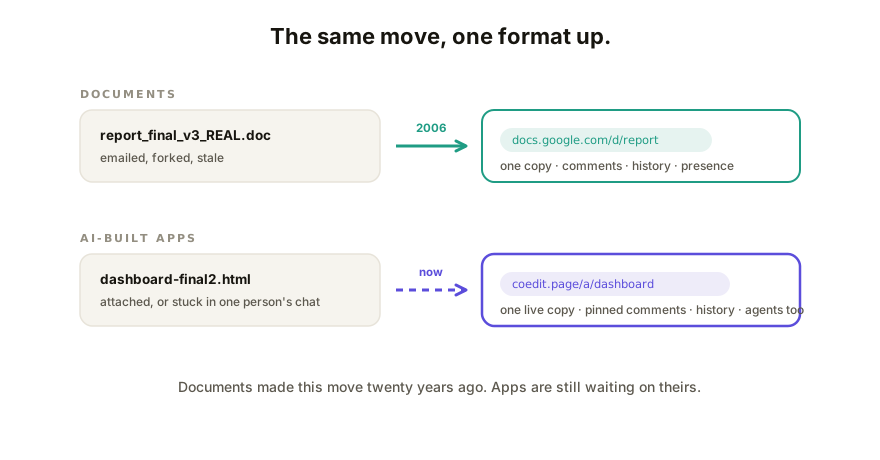
We built Google Docs for files. What about live apps?
Google Docs ended attachment chaos for documents by moving the file to a URL everyone shares. AI-built apps are stuck in the attachment era, and the same move is overdue.
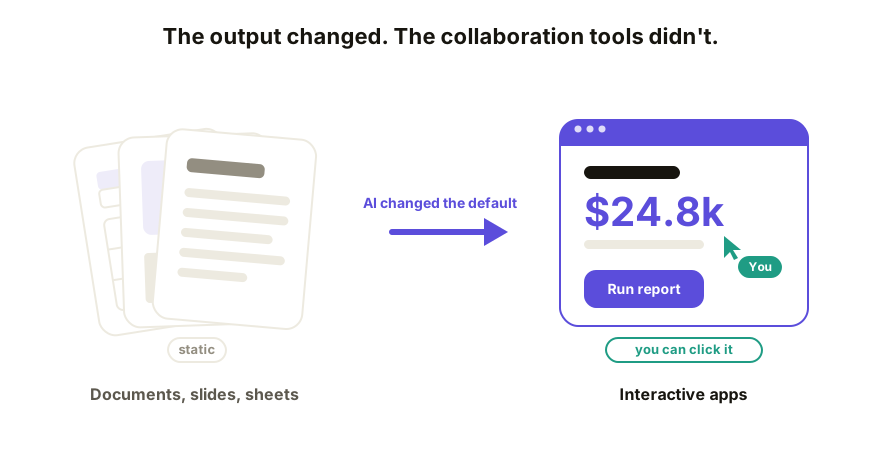
Knowledge work is moving from documents to apps
For 30 years we worked in documents and slides. AI changed the default output to small interactive apps, and the tools to share and edit them together haven't caught up yet.
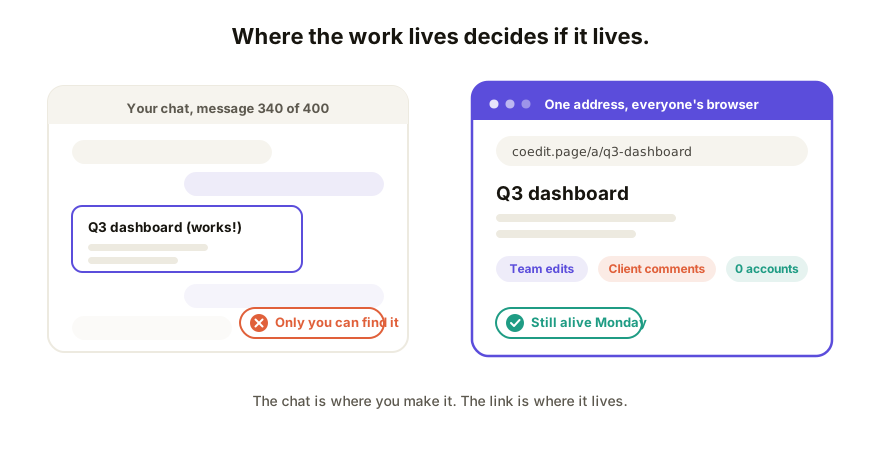
Why your best AI output dies in a chat window
The dashboard your AI built is genuinely good, and three days later nobody can find it. The problem isn't the output, it's where it lives: a container built for one person.