Compare your options
Honest comparisons of the ways to share and collaborate on AI-generated apps, and when each one is the right call.
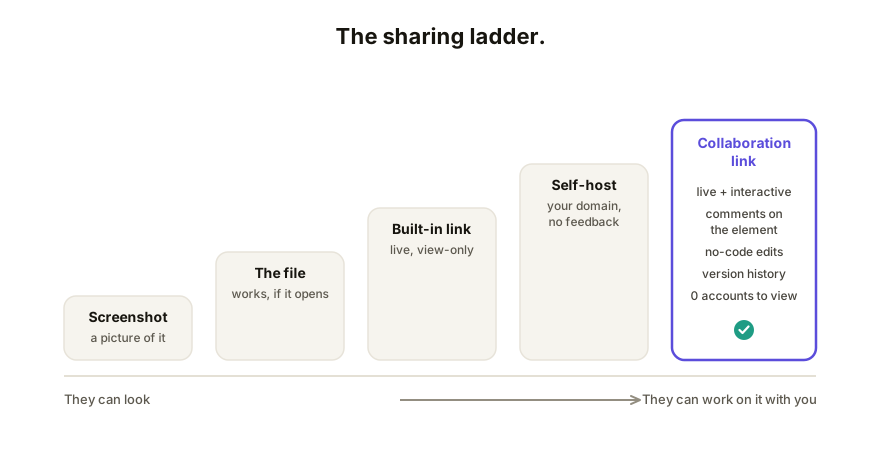
The best ways to share AI-generated apps (2026)
Five ways to share an app your AI built, compared honestly: screenshots, sending the file, built-in share links, self-hosting, and collaboration links. Which fits when.
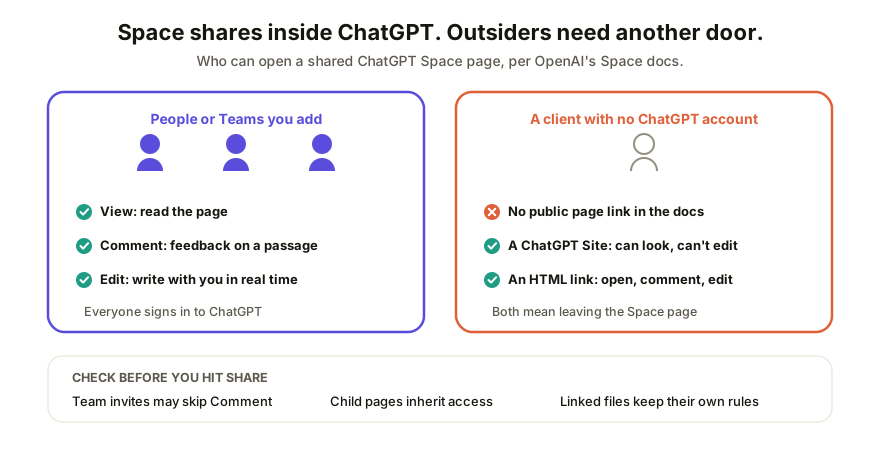
ChatGPT Space pages: who can open, comment and edit
ChatGPT Space pages share with named people or Teams at view, comment or edit. The docs describe no public link. Who can open one, and the outsider fix.
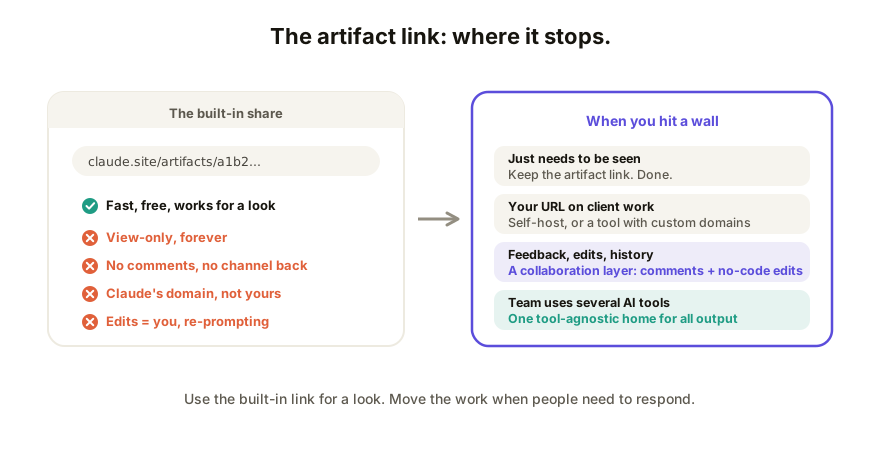
Sharing a Claude artifact link: limits and alternatives
Claude's artifact links live on Claude's domain and, for new artifacts, need a Claude sign-in to open. Here's exactly where the built-in sharing stops and what to use when you hit each wall.
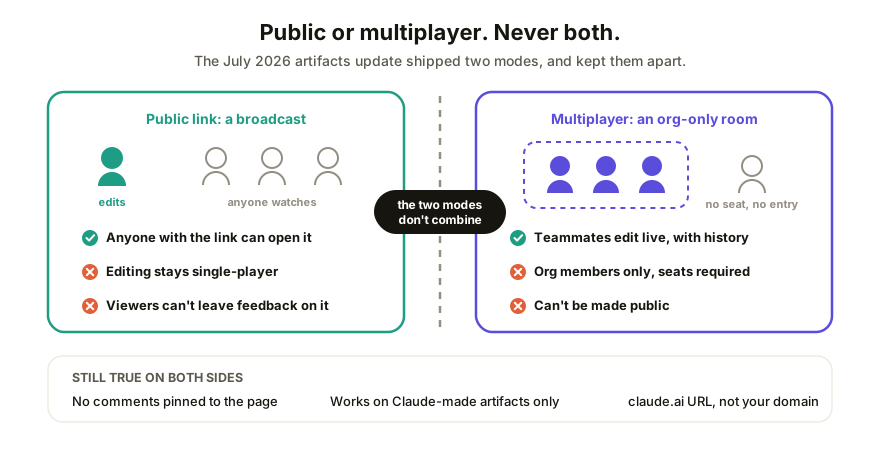
Claude artifact sharing after September 16: who can open, comment, and edit
Claude changed artifact sharing on September 16, 2026. New artifacts now have view, comment and edit roles, but most links need a Claude sign-in. Here is the exact line, and what still needs a layer on top.
Claude Code Artifacts: sharing limits and what to do instead
Claude Code Artifacts turn a coding session into a live shareable page. A public link opens for anyone, but comments and editing stay inside your Anthropic org. Here's the wall and the fix.
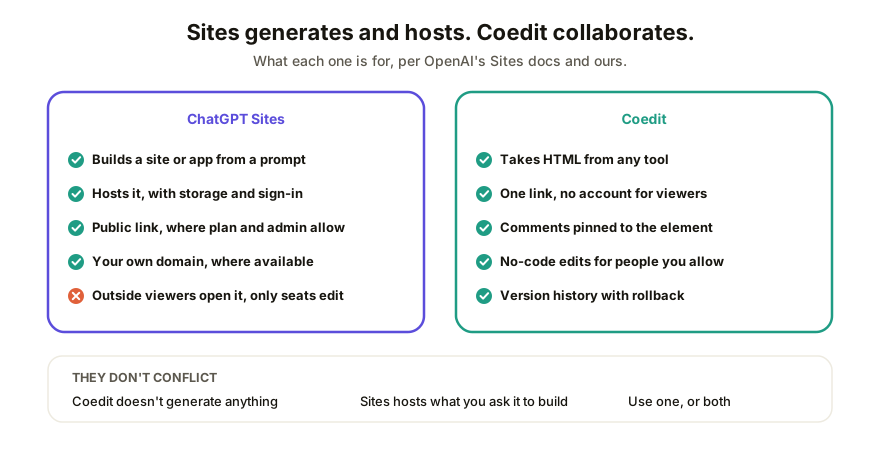
ChatGPT Sites (Codex Sites) vs Coedit: which to use
ChatGPT Sites, once Codex Sites, now publishes to the public internet and your own domain. What it covers, what it doesn't, and when Coedit is the better fit.
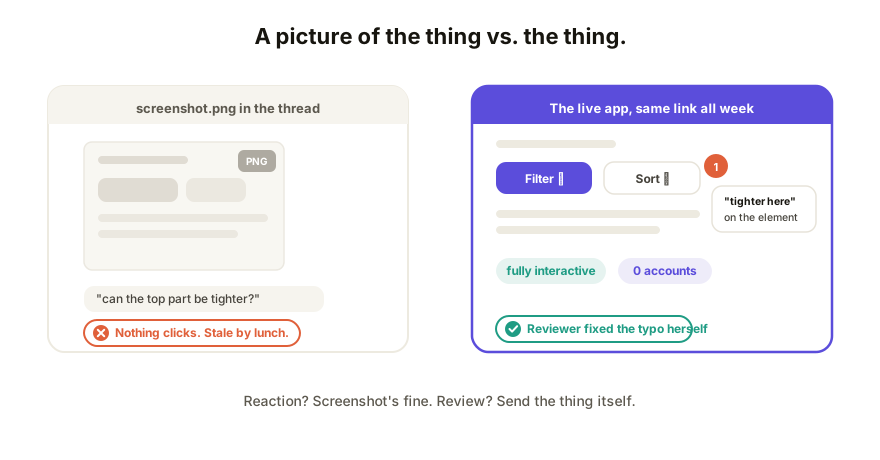
Coedit vs sending a screenshot of your AI app
The screenshot is the real competitor: instant, universal, and it throws away everything interactive. An honest comparison of when a picture is enough and when it costs you.
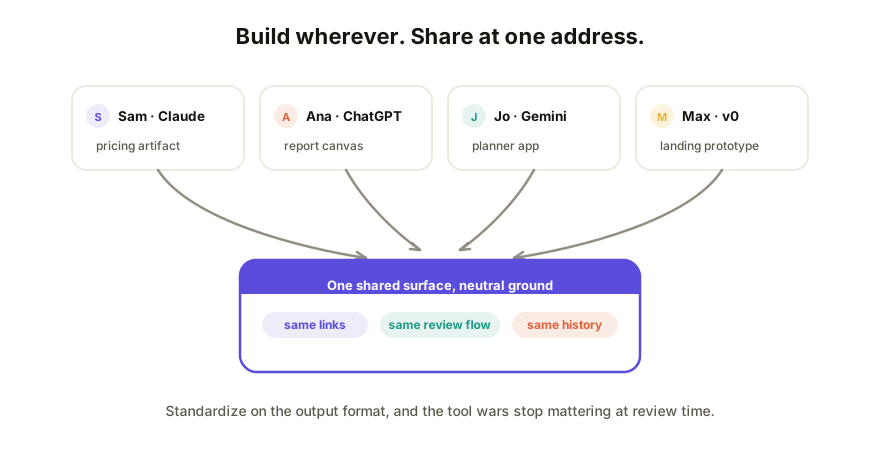
How to collaborate on AI apps across Claude, ChatGPT, Gemini
Your team builds with different AI tools, and each one shares differently. The fix: standardize on the output format, not the generator, and review everything in one place.
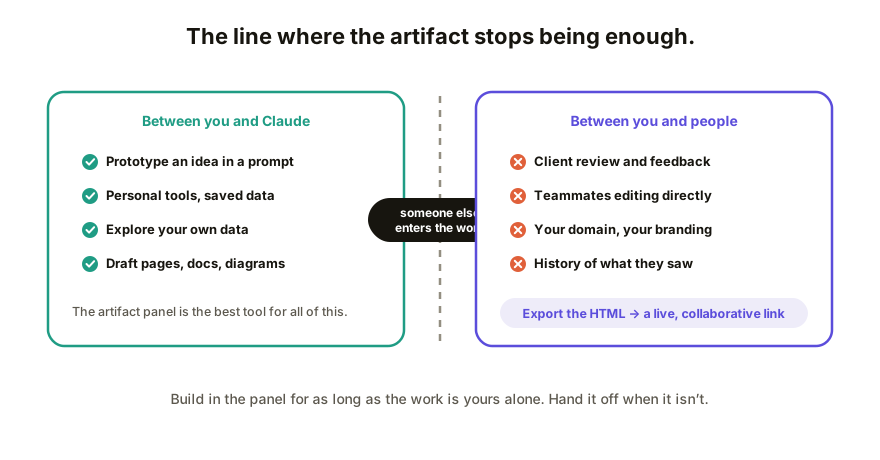
When to use Claude Artifacts (and when not to)
Claude Artifacts shine while the work is between you and Claude: prototypes, personal tools, exploring data. Here's exactly where they stop, and what to use past that line.