How-to guides
Step-by-step guides to sharing, editing, versioning, and hosting the apps you build with AI tools like Claude, ChatGPT, Gemini, v0, and Lovable.
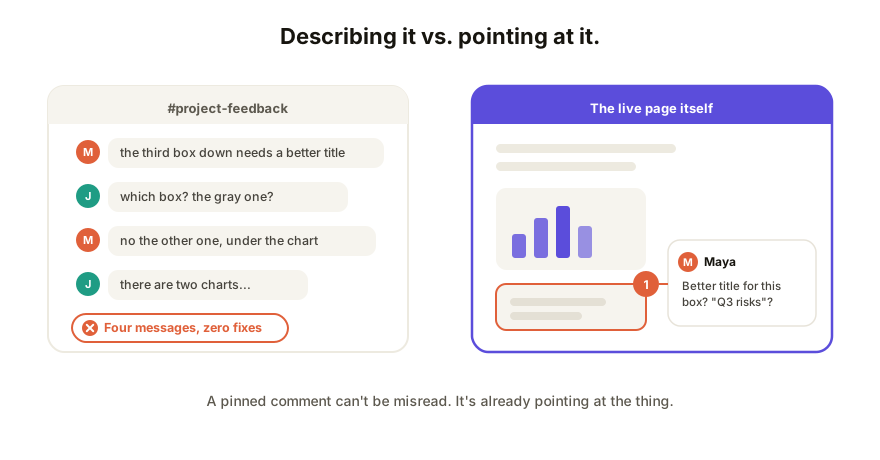
How to add comments to a live web app
Four ways to collect feedback on a live web page or app: chat threads, annotated screenshots, review tools, and comments pinned to the page itself. What works and when.
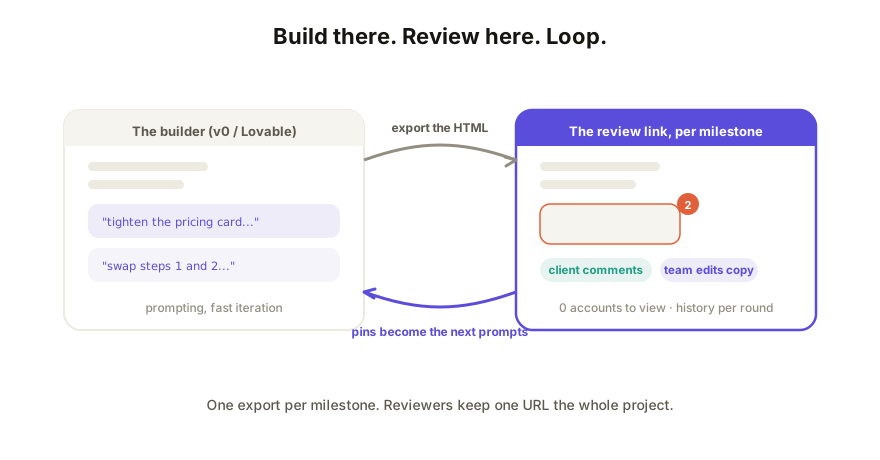
How to collaborate on a v0 or Lovable project as a team
v0 and Lovable generate real apps fast, but team review still means links and Slack threads. How to run feedback, edits, and versions on a builder project properly.
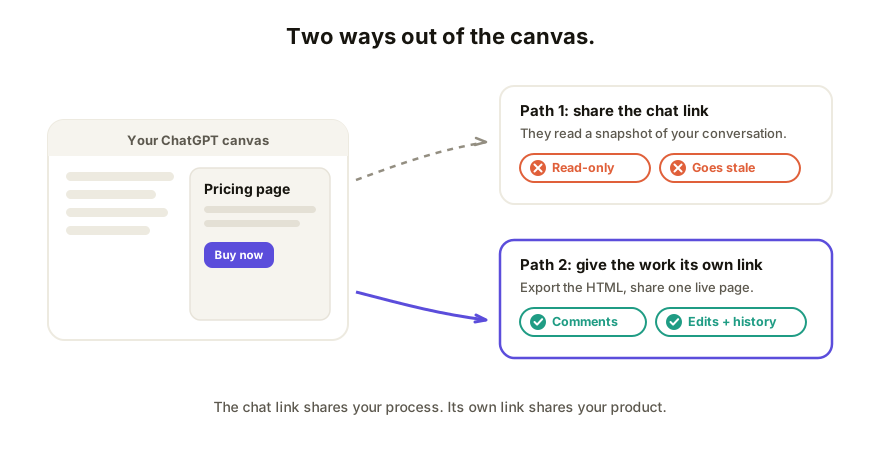
How to share a ChatGPT canvas with someone
Two ways to share a ChatGPT canvas: share the chat link, or take the work out of ChatGPT and share it as its own page. What each one can and can't do.
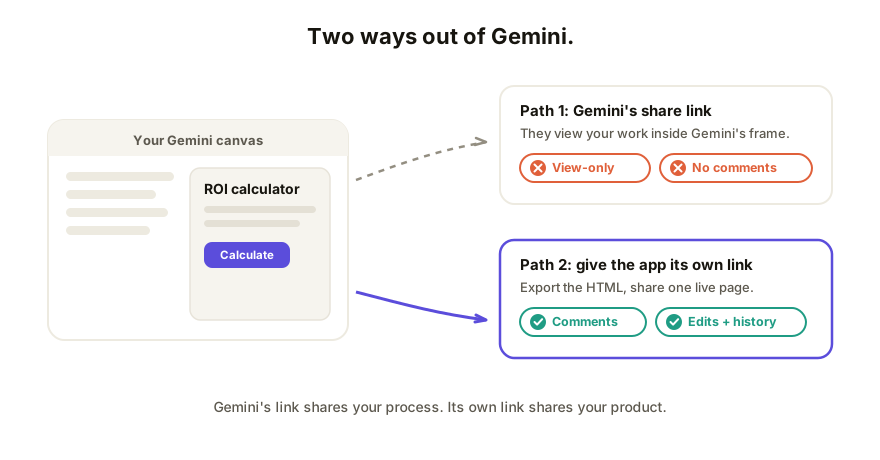
How to share a Gemini app with someone
Two ways to share what you built in Gemini: Gemini's own share link (now reaching Workspace accounts and Drive/Classroom too), or giving the app its own live link. What each one is good for.
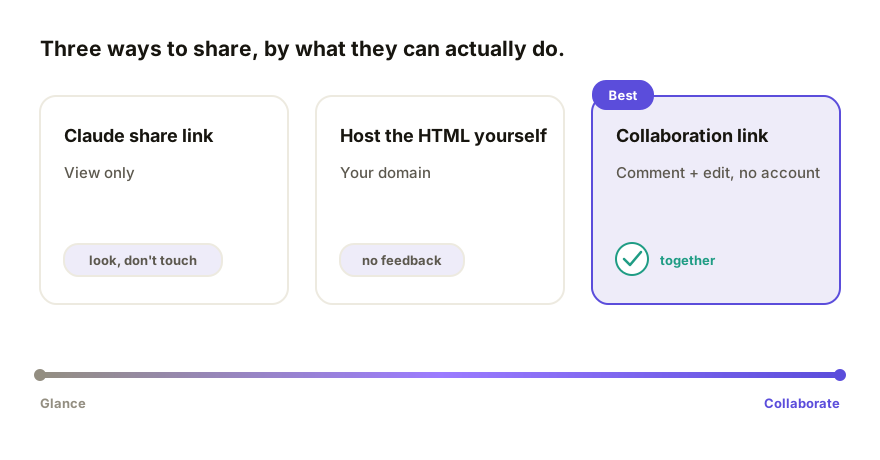
How to share an app you built with Claude
Three ways to share a Claude artifact or app with someone (Claude's own share link, hosting the HTML yourself, or a collaboration link) and the trade-offs of each.
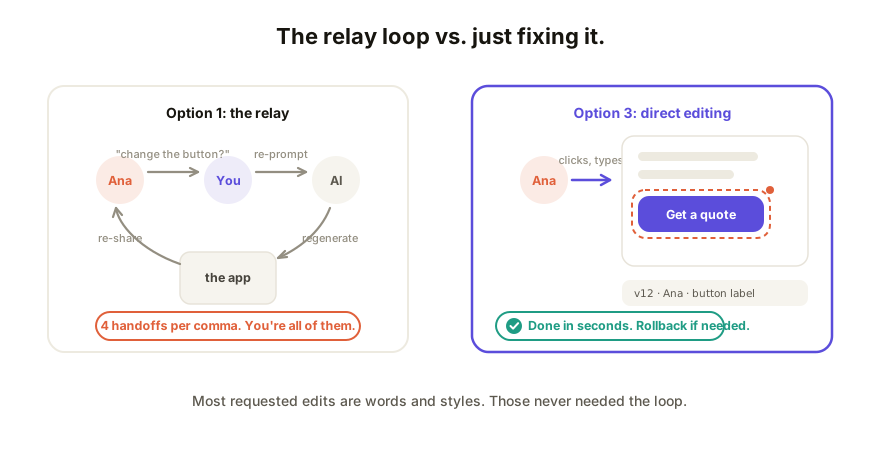
How to let non-coders edit an AI-generated app
Three ways to let someone without coding skills change an AI-built app: relay edits through you, have them re-prompt the AI, or give them direct no-code editing on the live page.
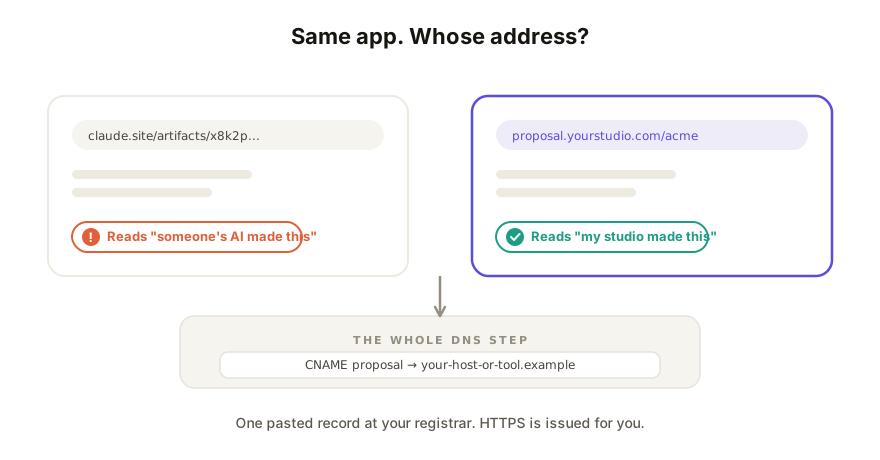
How to put an AI-built app on your own domain
Get your AI-built app off the vendor's URL and onto yours: what a custom domain requires, the DNS step in plain terms, and the self-host vs managed trade-off.
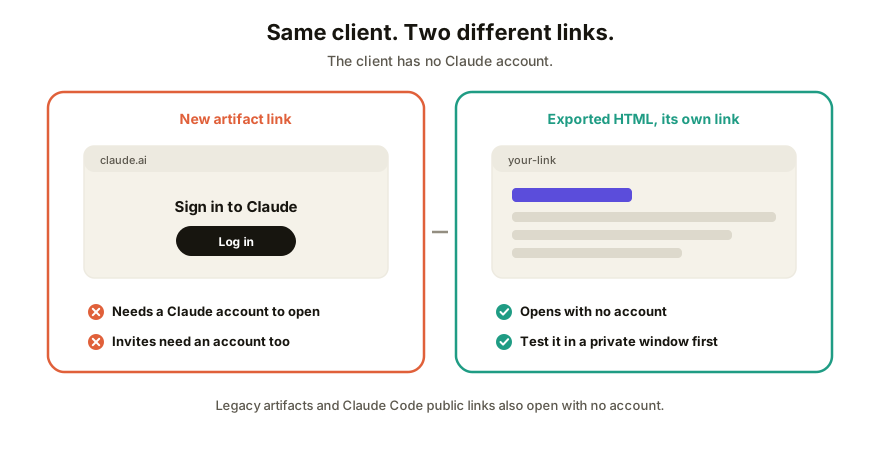
Share a Claude artifact with someone who has no Claude account
New Claude artifacts need the viewer to sign in. Three ways to get one in front of a client with no account: export the HTML, a legacy link, or Claude Code.
How to keep version history for AI-generated apps
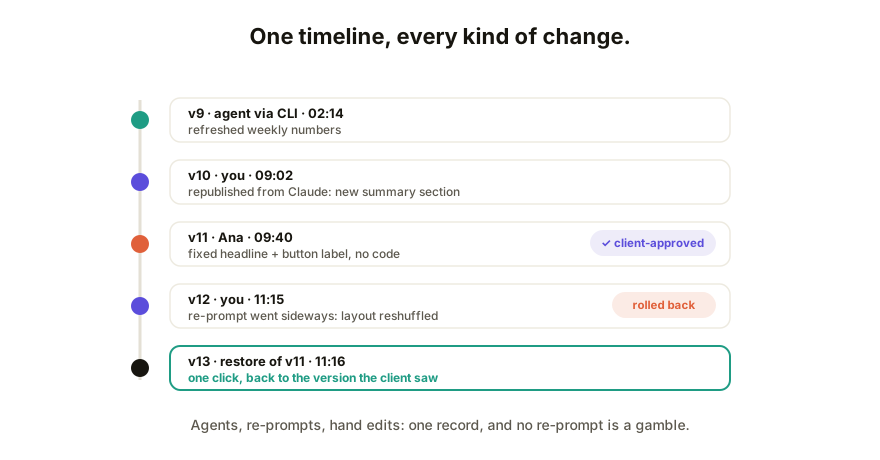
AI apps change fast: re-prompts, hand edits, agent pushes. Four ways to keep version history, from filename copies to git to built-in history on the shared link.